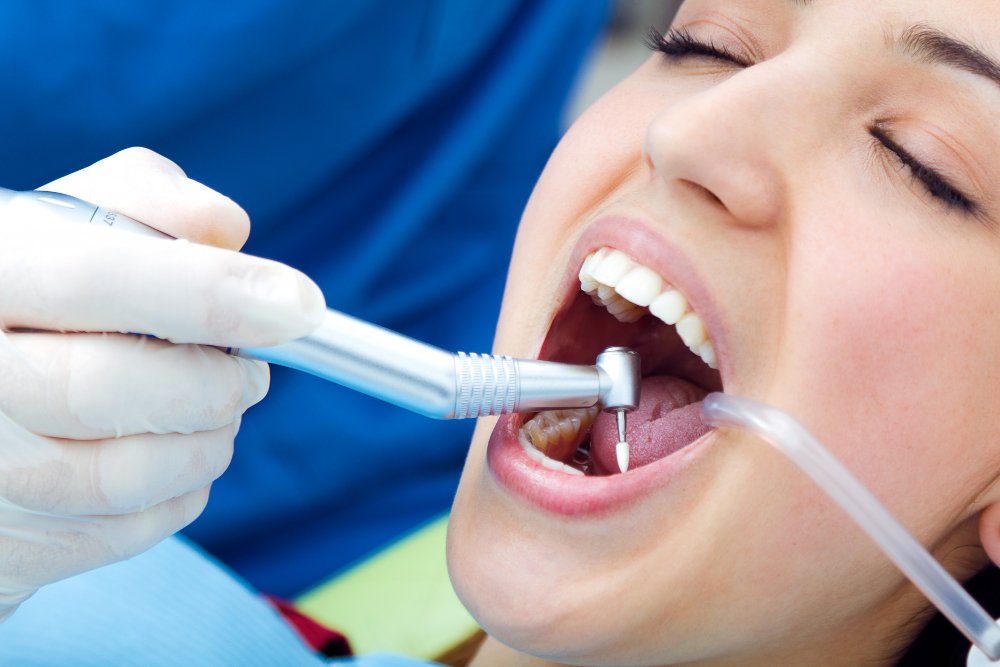
Stop gum disease in its tracks — comprehensive treatment for gingivitis and periodontitis that halts progression, restores gum health, and protects you from tooth loss before it's too late.
01 — Overview
What Is Periodontal Treatment?
Periodontal treatment addresses diseases affecting the gums and the supporting structures of the teeth. These conditions — primarily gingivitis and periodontitis — result from bacterial infections caused by plaque accumulation.
If left untreated, gum disease can lead to inflammation, bone loss, and eventually tooth loss. The primary goal of periodontal therapy is to halt the progression of the disease, restore gum health, and prevent further dental complications.
Treatment methods vary based on the severity of the condition — ranging from non-surgical approaches like scaling and root planing to surgical interventions for advanced cases. Regular dental check-ups and maintaining optimal oral hygiene are crucial components in the prevention and management of periodontal diseases.
02 — Symptoms
Recognise the Warning Signs
Recognising the early signs of periodontal disease is vital for timely intervention. If you experience any of these symptoms, consult a dental professional promptly to prevent the progression of the disease.
Bleeding Gums
Especially noticeable during brushing or flossing — one of the earliest and most common signs.
Swollen or Tender Gums
Redness, puffiness, or tenderness around the gum line indicating active inflammation.
Persistent Bad Breath
Caused by bacterial accumulation in the mouth — doesn't go away with brushing or mints.
Receding Gums
Gums pulling back from teeth, making them appear longer than usual — exposes vulnerable roots.
Loose or Shifting Teeth
A serious sign of deteriorating bone and tissue support around the teeth — requires urgent care.
Deep Gum Pockets
Formation of pockets between teeth and gums harbouring harmful bacteria — measurable at check-ups.
Don't Wait — Act Early
Periodontal disease is progressive. Catching it at the gingivitis stage means it's fully reversible. Once it advances to periodontitis, the damage to bone becomes permanent — but treatment can still halt further loss.
03 — Treatment Methods
How We Treat Gum Disease
Periodontal treatment involves a comprehensive approach using modern dental technology and personalised care protocols. The exact course depends on the stage and severity of your condition.
Scaling & Root Planing
Deep cleaning that removes plaque and tartar below the gum line — the cornerstone of non-surgical treatment.
Laser-Assisted Therapy
Minimally invasive option that targets infected tissue, sterilises the area, and promotes faster healing.
Antibiotic Therapy
Local or systemic antibiotics combat persistent infection — used as adjunctive therapy after deep cleaning.
Surgical Procedures
Advanced cases may require flap surgery, bone grafts, or guided tissue regeneration — detailed below.
Ongoing Maintenance
Regular cleanings every 3–4 months monitor gum health, remove buildup, and prevent recurrence.
Patient Education
Tailored guidance on home care techniques — brushing, flossing, and diet that supports gum health.
04 — Surgical Options
Advanced Surgical Procedures
When non-surgical methods aren't sufficient, surgical intervention may be necessary. These procedures aim to restore the structural integrity of the teeth and improve both function and aesthetics.
Pocket Reduction
Flap Surgery
The gums are lifted to allow thorough cleaning of deep pockets and to reshape the underlying bone if needed. The gums are then sutured back tightly around the teeth.
Bone Regeneration
Bone Grafting
Used when the disease has destroyed supporting bone. Graft material — natural or synthetic — is placed to encourage bone regeneration around the tooth roots.
Tissue Regrowth
Guided Tissue Regeneration
A specialised membrane is inserted between bone and gum tissue to encourage new bone and connective tissue growth where it's been lost.
Gum Restoration
Soft Tissue Grafts
For patients with gum recession — tissue from the palate or donor material is used to cover exposed roots and restore the gumline.
05 — By Severity
Treatment by Disease Stage
There isn't a one-size-fits-all treatment — the best approach depends on the severity and type of your gum disease. Here's how treatment generally breaks down by stage.
Stage 1
Gingivitis
The earliest stage — fully reversible with prompt action. Recommended treatment is scaling and root planing (deep cleaning) to remove plaque and tartar from below the gumline.
Stage 2
Early Periodontitis
Bone loss begins. Scaling and root planing remains the primary treatment, often combined with antibiotic therapy to eliminate persistent bacteria and reduce inflammation.
Stage 3
Moderate Periodontitis
Laser-assisted therapy may be introduced for minimally invasive treatment with faster healing. Antibiotic therapy continues alongside intensive maintenance.
Stage 4
Advanced Periodontitis
Surgical interventions — flap surgery, bone grafting, or guided tissue regeneration — may be necessary to restore the supporting bone and tissue around teeth and save them from extraction.
06 — Maintenance
Ongoing Care & Maintenance
Periodontal disease is a chronic condition that requires lifelong maintenance. Once active treatment is complete, patients are typically placed on a more frequent cleaning schedule to monitor gum health and prevent recurrence.
Frequent Professional CleaningsEvery 3 to 4 months rather than the standard 6 months — more frequent monitoring to catch issues early.
Pocket Depth AssessmentRegular measurements track gum pocket depth and ensure the disease isn't progressing.
Tooth Mobility ChecksYour dentist will monitor any tooth movement that could indicate further bone loss.
Home Care ReinforcementContinued guidance on brushing techniques, interdental cleaning, and lifestyle factors that affect gum health.
Early InterventionAny signs of inflammation or pocket deepening are addressed immediately to prevent relapse.
07 — Pricing
Cost of Periodontal Treatment
The cost of periodontal treatment in Antalya depends on the severity of your gum disease, the procedures required, and whether additional treatments like laser therapy or surgery are necessary. Treatments range from non-surgical options like deep cleaning to more advanced procedures such as gum grafts or bone regeneration surgeries.
Pricing factors:
Stage and severity of the gum disease
Number of affected teeth or areas
Type of treatment (non-surgical vs surgical)
Whether laser therapy is included
Materials used during treatment (graft type, etc.)
Number of follow-up sessions included
Our comprehensive treatment plans include:
Detailed periodontal examination and pocket measurements
Diagnostic imaging if needed
Full treatment by experienced periodontal specialists
Post-treatment maintenance schedule
Personalised home care guidance
Compared to Western countries, periodontal treatments in Antalya offer excellent value without compromising quality — advanced technology, skilled professionals, and patient-centred care at reasonable costs.
08 — FAQ
Frequently Asked Questions
If left untreated, advanced periodontal disease can lead to tooth loss due to the destruction of the supporting bone and tissues. However, with timely and proper treatment, tooth loss can often be prevented — even in advanced stages.
Most periodontal treatments — especially non-surgical ones like scaling and root planing — cause minimal discomfort and are performed under local anaesthesia. Any post-procedure sensitivity is usually mild and temporary.
Yes — when diagnosed early and treated properly, periodontitis can be managed effectively, halting its progression and restoring gum health. Ongoing maintenance and good oral hygiene are crucial for long-term success.
The active infection phase can be controlled within weeks with proper treatment, but periodontitis is a chronic condition that requires lifelong maintenance. Without regular care, it can easily relapse or worsen.
Get Started
Save Your Smile from Gum Disease
Get a free consultation and personalised periodontal treatment plan from our specialist team in Antalya.