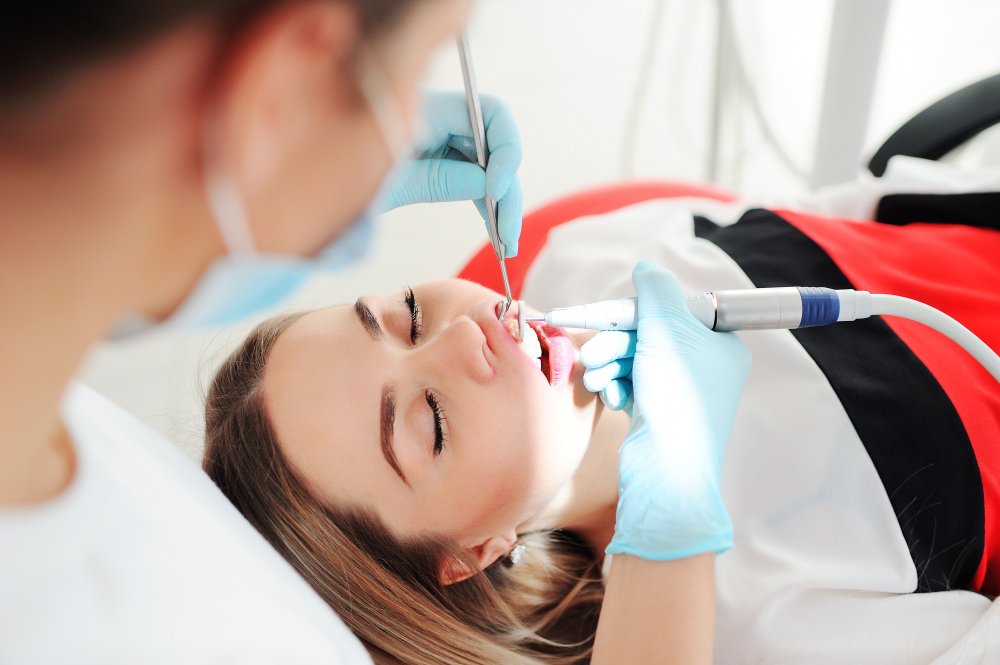
A precise endodontic procedure that saves your natural tooth from extraction by removing infected pulp, disinfecting the canals, and sealing them for long-term function — fast pain relief, lasting results.
01 — Overview
What Is Root Canal Treatment?
Root canal treatment is an endodontic procedure performed when the pulp — the soft tissue inside a tooth containing nerves and blood vessels — becomes infected or inflamed. This usually happens due to deep decay, cracks, repeated dental procedures, or trauma.
If left untreated, the infection can spread, causing severe pain, abscess formation, and ultimately tooth loss. A root canal removes the damaged pulp, disinfects the canal system inside the tooth root, and seals it with a biocompatible filling material to restore the tooth's function.
This treatment is essential for saving natural teeth that would otherwise need to be extracted — and with modern techniques, it's a comfortable, predictable procedure with a success rate of over 95%.
02 — Symptoms
Signs You May Need a Root Canal
Early diagnosis is key to preventing complications and restoring full function and comfort. Watch for these common warning signs that indicate the pulp may be infected or inflamed.
Prolonged Sensitivity
Sharp or lingering pain when consuming hot or cold foods and beverages, lasting more than a few seconds.
Pain When Chewing
Pressure or discomfort when biting down, eating, or applying force to a particular tooth.
Gum Swelling
Tender, swollen, or inflamed gum tissue around a specific tooth — often a sign of infection.
Tooth Discolouration
The tooth turning darker, greyer, or yellower than surrounding teeth — a sign of pulp damage.
Pimple on Gums
A persistent or recurring small bump on the gum near the tooth — sign of a drainage tract from infection.
Persistent Toothache
Throbbing or spontaneous pain that doesn't go away — especially pain that wakes you up at night.
03 — When Required
When Is Root Canal Treatment Needed?
A root canal is required when the pulp of the tooth becomes irreversibly damaged. This usually occurs due to:
Untreated dental caries (cavities) that reach deep into the tooth
Cracked or chipped teeth exposing the nerve
Trauma causing internal damage
Failed previous fillings or crowns
Chronic toothache or swelling
In such cases, removing the infected pulp, disinfecting the canal, and sealing it with filling material helps preserve the tooth's structure and function. The earlier the treatment is performed, the higher the success rate and the better the long-term outcome.
04 — Benefits
Why Choose Root Canal Treatment
Root canal treatment helps retain the tooth's root in the jaw — preventing bone loss and maintaining facial structure. It's a reliable, long-term solution for teeth that would otherwise be lost.
01
Preserves Your Natural Tooth
Avoids extraction and keeps your own tooth in place — the best functional outcome.
02
Eliminates Pain & Infection
Removes the source of pain and infection, restoring comfort within days.
03
Restores Chewing Function
Improves chewing efficiency without compromising your bite or diet.
04
Maintains Bite Alignment
Prevents adjacent teeth from shifting and protects against jaw strain.
05
Prevents Bone Loss
Keeping the tooth root in the jaw stimulates bone and preserves facial structure.
06
Natural Appearance
Especially when followed by a crown, restores a fully natural-looking smile.
05 — The Process
How It's Done in Antalya
The procedure is performed under local anaesthesia and typically takes 60–90 minutes for a single-root tooth (e.g. front tooth), or 90–120 minutes for molars with multiple canals. Treatment may require 1–2 sessions depending on the tooth's complexity.
X-Ray & DiagnosisDigital imaging is used to assess the extent of infection and plan the procedure precisely.
Local AnaesthesiaThe area is numbed completely so you remain comfortable throughout the procedure.
Access OpeningA small hole is made in the crown of the tooth to reach the pulp chamber.
Cleaning & ShapingInfected pulp is removed and the canals are cleaned with precision rotary files.
DisinfectionAntibacterial solutions thoroughly disinfect the canals to eliminate all infection.
Filling & SealingThe canals are sealed with biocompatible material like gutta-percha to prevent reinfection.
RestorationA permanent filling — and usually a crown for back teeth — is placed to restore full function.
06 — Risks
Potential Risks & Complications
Root canal treatments are highly successful when performed correctly, but like any medical procedure, they come with some risks. Potential complications include:
Incomplete cleaning of the canal system
Reinfection if the canal is not sealed properly
Fracture of the tooth post-treatment (especially without a crown)
Temporary discomfort or mild swelling for a few days
How We Minimise Risk
These risks are minimised through digital imaging, precision rotary instruments, and experienced endodontic care. Following post-treatment guidelines and attending follow-up visits greatly increases long-term success. In rare cases, retreatment may be required — and is fully covered by our written guarantee.
07 — Aftercare
What to Do After Treatment
Aftercare is essential for healing and the long-term success of your root canal. Mild sensitivity or pressure is normal for a few days but should gradually subside. A properly maintained root canal-treated tooth can last as long as your natural teeth.
First Few Days
Avoid chewing on the treated tooth until fully restored
Take prescribed medications to manage discomfort
Avoid sticky, hard, or sugary foods during healing
Apply cold compresses if any swelling occurs
Long-Term Care
Maintain excellent oral hygiene to prevent reinfection
Get the recommended crown placed promptly
Attend follow-up appointments
Schedule regular dental check-ups every 6 months
When to Contact Your Dentist
If you experience severe swelling, persistent pain that worsens over several days, or signs of infection, contact your dentist promptly. Quick intervention prevents complications.
08 — Pricing
Cost of Root Canal in Antalya
The cost of root canal treatment in Antalya varies depending on the tooth involved (front, premolar, molar), the complexity of the infection, and whether additional procedures such as crowns are required. On average, costs in Turkey are 60–70% lower than in Western Europe — offering excellent value without compromising quality.
Pricing factors:
Number of root canals in the tooth (1 for front teeth, 2–3 for molars)
Need for crown placement afterward
Use of digital imaging or rotary instrumentation
Whether treatment is part of a full dental package
Our all-inclusive packages cover:
Initial consultation and digital imaging
Complete root canal treatment
Final restoration (filling or crown)
Hotel accommodation and airport transfers (if needed)
Follow-up appointments
Exact pricing is shared after the examination and personalised treatment plan is developed — with full transparency and no hidden fees.
09 — FAQ
Frequently Asked Questions
No — with modern techniques and local anaesthesia, the procedure itself is virtually painless. Most patients report no more discomfort than getting a regular filling. The pain people often associate with root canals is actually from the infection beforehand — the treatment relieves that pain rather than causing it.
Yes, root canal treatments are safe and widely performed dental procedures with a high success rate of over 95%. They are designed to eliminate infection, relieve pain, and preserve your natural tooth.
Mild side effects such as temporary sensitivity, swelling, or jaw soreness may occur but usually subside within a few days. Serious complications are rare when aftercare and hygiene instructions are followed correctly.
The typical steps include: X-ray and diagnosis, local anaesthesia, access opening, cleaning and shaping the canals, disinfection, filling and sealing, and final restoration with a filling or crown. Each step ensures the tooth is cleaned thoroughly and sealed to prevent reinfection.
Get Started
Save Your Tooth, Stop the Pain
Get a free consultation and personalised root canal treatment plan from our specialist team in Antalya.